All About Sugar Beet Vs Sugar Cane: Which One Uses Greater Benefits and Makes Use Of?
The comparison between sugar beet and sugar cane offers a nuanced expedition of their respective advantages and applications. Each crop has distinctive nutritional profiles and growing conditions that influence their usage in different markets. As consumer preferences shift in the direction of much healthier choices, the relevance of these two resources of sugar becomes progressively significant. Comprehending their differences can expose insights right into which may eventually offer better in a changing market landscape. What factors will shape this continuous dispute?
Introduction of Sugar Beet and Sugar Cane
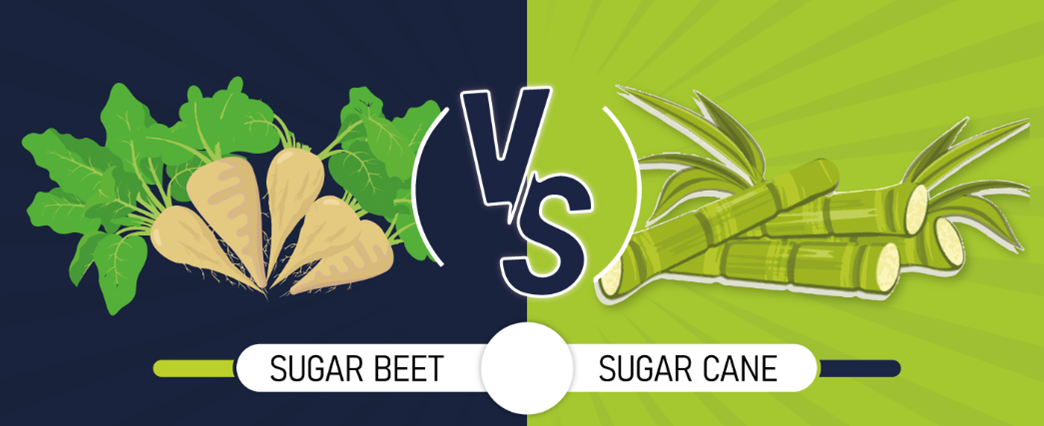
Sugar beet and sugar cane are two main resources of sugar, each with distinctive qualities and benefits. Sugar beet, a root plant mostly expanded in pleasant environments, is understood for its high sucrose web content, which can range from 15% to 20%. This crop is normally processed into granulated sugar, molasses, and other byproducts. Its farming enables a much shorter growing period and less reliance on exotic environments.
On the other hand, sugar cane flourishes in warmer, tropical regions and is usually regarded for its fibrous stalks, which can generate 10% to 15% sucrose. The processing of sugar cane not just creates sugar however likewise leads to products like rum and ethanol, making it versatile. Both plants add considerably to the global sugar market, with their unique expanding conditions and processing methods affecting their agricultural and economic value. Ultimately, the choice between sugar beet and sugar cane often depends on local environments and market needs.
Nutritional Profiles: Sugar Beet Vs Sugar Cane
The dietary accounts of sugar beet and sugar cane disclose considerable differences in their nutrient make-ups. Sugar beet often tends to provide a higher concentration of vitamins and minerals, while sugar cane primarily gives power in the kind of carbs. Furthermore, the glycemic index of these 2 sources differs, influencing their impacts on blood glucose levels.
Nutrient Structure Comparison
When contrasting the nutrient composition of sugar beet and sugar cane, unique differences arise that can affect nutritional options. Sugar beets are known for their greater fiber material, supplying approximately 2 grams of fiber per 100 grams, while sugar cane has minimal fiber (Sugar beet vs sugar cane). Regarding vitamins, sugar beetroots use a variety of B vitamins, specifically folate, which supports mobile health and wellness, whereas sugar cane consists of fewer vitamins generally. In addition, sugar beetroots boast a greater mineral material, including potassium and magnesium, crucial for various physical features. Sugar cane mostly offers carbohydrates, specifically sucrose, yet lacks the nutrient thickness found in sugar beets. These differences highlight the dietary benefits of sugar beets compared to sugar cane in a well balanced diet plan
Glycemic Index Differences
How do sugar beetroots and sugar cane vary in their glycemic index, and what effects does this have for individuals checking their blood sugar levels? Sugar beetroots typically have a reduced glycemic index (GI) compared to sugar cane, which means they trigger a slower and much more steady rise in blood glucose levels. This distinction is especially crucial for people with diabetic issues or those concerned concerning blood sugar administration. A reduced GI food can help preserve steadier energy levels and minimize the threat of insulin spikes. While both resources are mainly composed of sucrose, the differing fiber and nutrient web content in sugar beetroots might add to their lower GI, making them a potentially far better alternative for health-conscious customers.
Expanding Problems and Geographic Circulation
Both sugar beet and sugar cane serve as important resources of sugar, their growing conditions and geographical distribution vary substantially. Sugar cane prospers in tropical and subtropical climates, needing cozy temperatures, plentiful sunlight, and considerable rains. It is primarily cultivated in nations such as Brazil, India, and China, where these environmental factors are suitable. Sugar beet vs sugar cane. In comparison, sugar beet prefers warm environments, growing in cooler areas with well-drained soil. Major manufacturers of sugar beet include the USA, Russia, and a number of European nations, where the expanding season aligns with cooler temperatures
The differences in climate needs lead to differing growing practices; sugar cane is typically expanded as a perennial plant, while sugar beet is generally planted every year. This geographical difference not just affects local agricultural economic situations yet additionally shapes local techniques associated with sugar production and handling. Comprehending these click this elements is important for reviewing the benefits and applications of each source.
Ecological Effect of Sugar Beet and Sugar Cane Production
While both sugar beet and sugar cane contribute significantly to global sugar manufacturing, their environmental impacts differ substantially. Sugar cane growing typically demands large stretches of land and water, causing deforestation and habitat loss in some areas. Additionally, using plant foods and chemicals in sugar cane farming can lead to soil deterioration and water contamination. Conversely, sugar beet is normally expanded in cooler environments and needs much less water, which may reduce the stress on regional water resources. Extensive farming practices associated with sugar beet can likewise lead to soil disintegration and nutrient exhaustion. The handling of both plants creates waste, but sugar cane has a greater capacity for by-products, such as bioenergy, which can alleviate some environmental influences. Inevitably, the sustainability of each crop mainly depends on farming practices and local management strategies used throughout the manufacturing cycle.
Handling Techniques and Effectiveness
Handling approaches for sugar beet and sugar cane vary considerably, affecting total efficiency and return. Sugar beets go through a procedure that includes cleaning, cutting, and removing juice via diffusion or pressing. The juice is then purified, concentrated, and taken shape, causing granulated sugar. This approach is generally effective, with a high sugar extraction price.
On the other hand, sugar cane handling includes squashing the cane to remove juice, complied with by information and dissipation. The juice is after that boiled to generate sugar crystals. While both methods are effective, sugar cane handling can be a lot more labor-intensive and time-consuming because of the larger scale of operations and the need for more comprehensive equipment.
In addition, sugar beet processing typically leads to a greater sugar content per bunch contrasted to sugar cane, making it an extra effective option in particular regions. In general, the selection of handling method influences not just the return yet additionally the financial viability of sugar manufacturing.
Applications in the Food Sector
In the food sector, sugar beet and sugar cane serve unique duties in sugar production. Each source offers one-of-a-kind qualities that affect their culinary applications, from baked items to drinks. Comprehending these differences can aid producers and cooks in choosing the most ideal component for their demands.
Sugar Production Differences
Although both sugar beet and sugar cane act as crucial sources for sugar manufacturing, their applications in the food market differ considerably. Sugar cane is largely connected with creating raw sugar and molasses, which are commonly utilized in drinks, confections, and baked goods. Its juice is likewise fermented to develop rum. Alternatively, sugar beet is mostly refined right into refined sugar, which is preferred in the you could check here production of granulated sugar and different other sugar. The extraction procedure for sugar beet is much more straightforward, allowing for greater returns of white sugar. Additionally, sugar beet's adaptability enables the development of alternate sweeteners, such as beet syrup. These differences highlight the distinctive functions each resource plays in meeting the diverse requirements of the food sector.
Culinary Uses Contrast
Cooking applications of sugar beet and sugar cane expose distinct preferences amongst chefs and food makers. Sugar cane, usually perceived as the conventional sugar, is preferred in a range of items, consisting of syrups, molasses, and beverages like rum. Its all-natural taste matches desserts, marinates, and sauces. Alternatively, sugar beet, utilized largely in granulated sugar type, is frequently included right into baked goods, sweets, and processed foods. Its neutral flavor profile enables it to mix perfectly into numerous recipes. Furthermore, sugar beet is gaining grip in natural and non-GMO markets, interesting health-conscious customers. Inevitably, the option between sugar beet and sugar cane rests on details culinary applications, taste preferences, and market patterns within the food sector.
Health Considerations and Customer Preferences
An expanding number of customers are increasingly conscious of the health ramifications connected with sugar sources, leading to a keen interest in the advantages of sugar beet versus sugar cane. Both sugar resources have distinct nutritional accounts that might influence customer options. Sugar beets often tend to contain somewhat more fiber and important nutrients, which can interest health-conscious individuals. On the other hand, sugar cane is usually regarded as a much more natural and much less refined alternative, potentially attracting those looking for natural or raw products.
The increasing popularity of alternate sugar has actually prompted customers to look at conventional sugars extra carefully (Sugar beet vs sugar cane). Awareness of excessive sugar intake's health and wellness risks, such as obesity and diabetes, has actually fueled a need for openness relating to the origins and handling techniques of sweeteners. Inevitably, specific choices proceed to form the dispute between sugar beet and sugar cane, showing a wider fad towards much healthier eating behaviors and notified consumerism
Often Asked Questions
What Are the Historic Uses Sugar Beet and Sugar Cane?
Historically, sugar beet and sugar cane have actually offered as main resources of sugar. Sugar cane, grown for centuries in tropical areas, given sugar, while sugar beet arised in Europe throughout the 18th century, boosting regional sugar production.

How Do Sugar Beet and Cane Affect Local Economies?
Sugar beet and sugar cane substantially effect regional economies via task production, agricultural performance, and trade. Their growing promotes rural development, sustains regional companies, and produces tax income, inevitably boosting community sustainability and financial strength.
Are There Any Kind Of Social Value Distinctions Between Sugar Beet and Cane?
Cultural value ranges sugar beet and sugar cane. Sugar cane usually stands for tropical heritage and standard methods, while sugar beet is associated with farming advancement and industrialization, showing different regional identifications and historic contexts in their production.
What Are the Main Pests Affecting Sugar Beet and Sugar Cane?
The major bugs influencing sugar beet include aphids and origin maggots, while sugar cane encounters dangers from borers and planthoppers. Both crops require mindful monitoring to minimize damages and assurance healthy yields.
Exactly How Do Climate Changes Influence Sugar Beet and Sugar Cane Farming?
Climate modifications greatly impact sugar beet and sugar cane cultivation by modifying growth conditions, shifting insect populaces, and affecting water availability. These aspects can reduce returns and affect overall farming sustainability in influenced their explanation regions.
Comments on “Sugar beet vs sugar cane: How soil health are influenced”